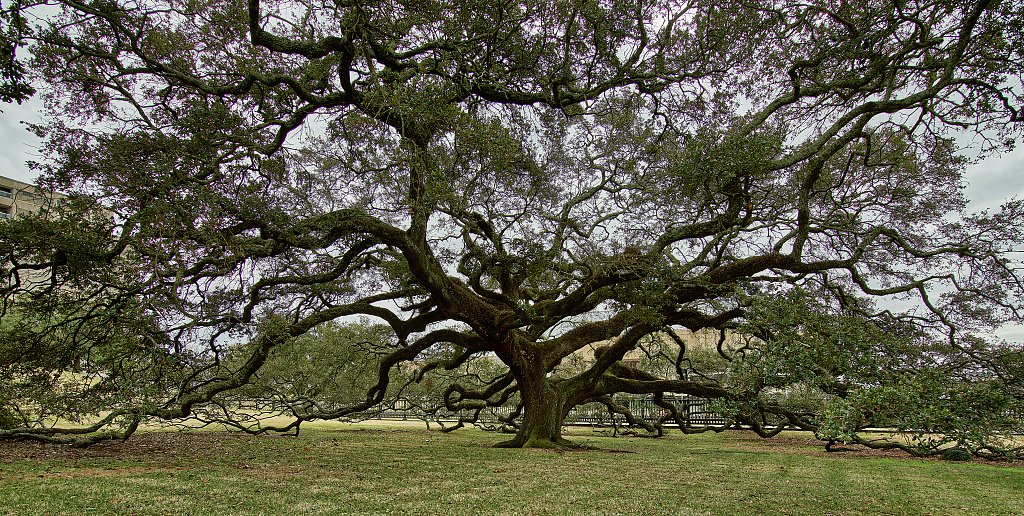
Freed and planted
There is an irony at the heart of Christian salvation, displayed here in Isaiah 61. The good news of Jesus Christ sets us free from captivity. But it also plants us firmly, so that we may grow.
The Wesleyan tradition sees this as justifying grace, which sets us free, and sanctifying grace, which plants us firmly: in the truth, and in justice. We are set free from structures of brokenness, pain, sin, and self-destruction. From the brambles in the parable of the sower, where the seed grows up but is choked out. And then we are planted firmly by the living water, beside the stream that constantly flows.
On this third Sunday of Advent, we are shifting from freedom from destruction and captivity toward the freedom of being present with the anointed one who is coming: the freedom of being planted where we belong.
St. Augustine said that our hearts are restless until they rest in you, O Lord. Our hearts are restless, seeking and trying to find a home along all the false rivers of this world, the ideologies that lie to us about who we are, about what is possible, about where our value lies. We may fall under their sway from time to time, but they do not free us. They entrap us.
The season of Advent offers a time to break those bonds of destruction, and to plant and be planted firmly in the joy of the Lord, so that we may be called trees of righteousness, trees of justice, that God may be glorified.
Trees of justice are not limited by the ground. They thrive, because they’re fed by the living water of the Holy Spirit, which continually renews and invigorates, shows new perspectives, and offers new ways of life. It isn’t the same old thing again and again, but ever present, ever new.
In this season of Advent, may we discern where we are currently planted, and in what ways we need to be freed. And may we put into practice ways of being planted in the grove of the Lord, and ways of helping those around us to be planted too, sharing the joy of the Lord that comes in the morning.